


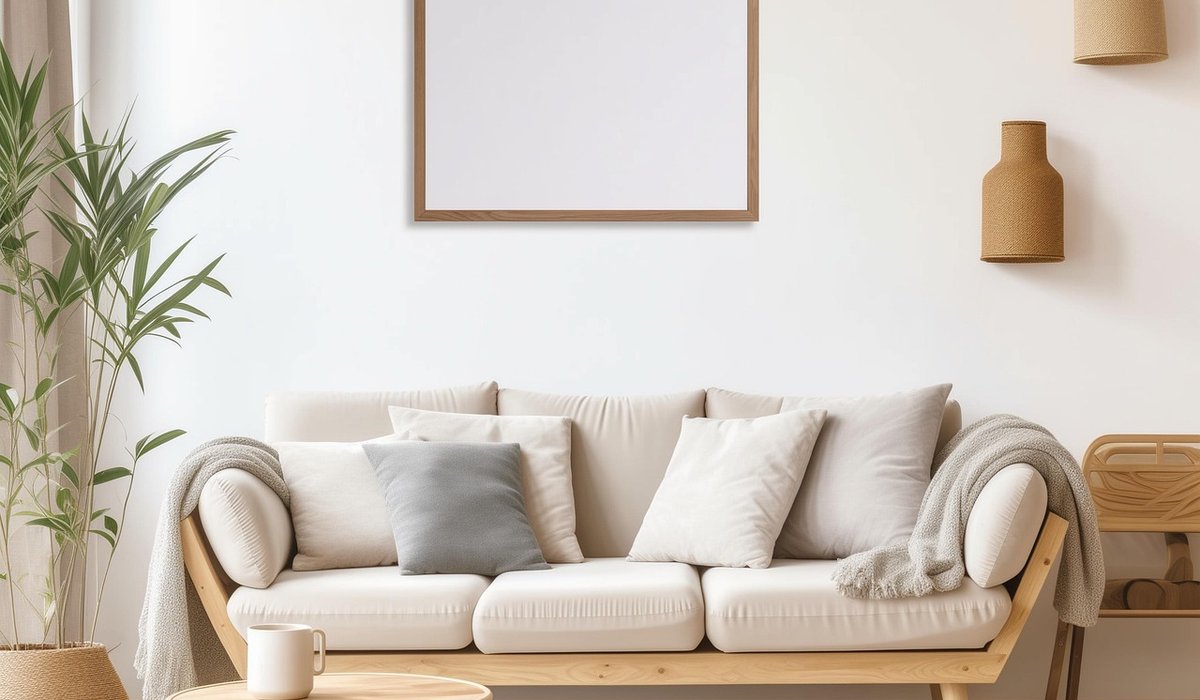
There is a particular pleasure in walking into a room and sensing that it has been built up over time. Pairing a vintage wooden table with modern chairs, or setting a sleek lamp beside an antique cabinet, is one of the quickest ways to create that feeling. The aim is not to let either era dominate. Get the balance right and a room feels layered, warm and entirely your own; get it wrong and it looks like a jumble sale. These are the principles worth holding on to.
Why mixing old and new works so well
Old furniture brings patina, weight and a story. New pieces bring clean lines, light and a certain calm. A room filled only with antiques can feel like a museum; a room of entirely new furniture can feel like a showroom. Placing one against the other makes both look better — the crispness of a new chair flatters the grain of an old table, and the table stops the chair from looking ordinary.
There is a practical benefit, too. Reusing what already exists is kinder to the planet and usually kinder to your budget, which leaves more room to spend on the few new pieces you really love.
Start with one anchor piece
Every successful room has a hero. Choose the piece you love most — an inherited dresser, a carved wooden table, a bold modern sofa — and let everything else support it. If your anchor is a dark, heavy antique, keep the surrounding pieces light and simple so it can breathe. If it is a sleek contemporary lamp, give it an antique cabinet with a bit of grain and age to sit beside.
Resist the urge to buy a full set of anything. Furniture that matches too neatly loses its charm; furniture that converses looks considered. Once the anchor is in place, ask what each new addition does. A chair should either echo the anchor's shape or deliberately contrast with it, never simply fill a space.
Balance scale, proportion and texture
The eye reads a room in shapes and weights before it notices any detail. A useful rule of thumb is to let one era take roughly two-thirds of the room and the other a third — enough contrast to be interesting, not so much that it feels chaotic.
Then think carefully about size and surface:
- Pair a bulky item with a slender one — a deep vintage armchair beside a slim modern sofa.
- Vary heights so nothing sits at the same level right across the room.
- Mix materials deliberately: warm wood with matt metal, linen with velvet, rattan with glass.
- Repeat at least one texture or finish three times so the mix reads as intentional.
Keep the colour palette tight
Colour is what makes a mixed room look curated rather than accidental. Choose three shades — a base, a secondary and one accent — and repeat them across old and new pieces alike. A vintage rug in muted terracotta, for instance, can be echoed by a new cushion and a ceramic vase on the shelf. Three repetitions are usually enough for the eye to register a scheme.
Wood tones matter just as much. Warm oak, pine and teak sit happily together; cool-toned ash and pale birch do the same. Mixing the two families is what makes a room feel disjointed, so pick one direction and stay with it, using upholstery, rugs or paint to bridge the gap where you must.
Style your shelves to bridge the eras
Shelves are where the mix is won or lost. Start with the largest object and place it off-centre rather than dead in the middle — roughly a third of the way along. Work outwards, balancing the weight on the opposite side with a group of smaller things.
- Group in odd numbers; three or five objects read more naturally than two or four.
- Stack books both horizontally and vertically to create different heights.
- Leave gaps. Empty space is what makes the objects you have chosen look deliberate.
- Place a modern ceramic next to a vintage glass or brass trinket, then repeat one colour across both.
- Add something living — a trailing plant, a small vase of stems — to soften the arrangement.
A small lamp or candle on the shelf adds warmth and makes the display feel like part of the room rather than a museum case. Change a few pieces seasonally; a shelf that never alters slowly disappears from view.
Mixing old and new is less about rules than about attention. Buy slowly, keep the colours talking to each other, and give every piece enough room to be seen. The result will be a home that looks collected over years — which, in the end, is exactly what it is.


Leave a reply