


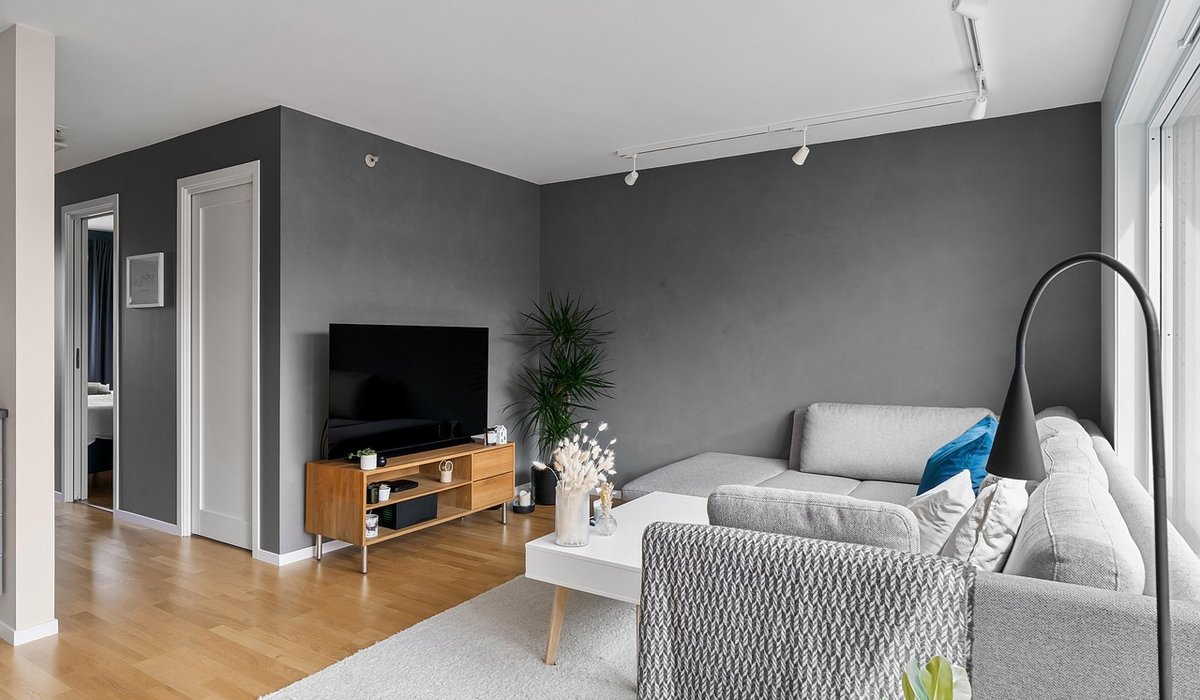
Why an Alcove Is Worth the Effort
Most British homes are full of awkward recesses. A chimney breast juts into a room and leaves a narrow gap either side of it. A doorway has been blocked up, a cupboard removed, or a wall built out to hide pipework, and what is left behind is a shallow, oddly proportioned space that seems to resist every piece of furniture you own. It is easy to treat these alcoves as dead ground, somewhere to shove a lamp and forget about. With a bit of planning, though, an alcove can become the hardest-working square metre in the house.
The trick is to stop thinking about what you can squeeze in and start thinking about what the recess can do. An alcove has three walls and a ceiling, and those surfaces give you options a flat wall never can. Fit storage that sits flush, or add a slim surface at the right height, and the space stops being a problem and starts earning its keep.
Measure Twice, Then Measure Again
Alcoves are rarely square. Plaster bulges, skirting sits proud, and the two side walls are often a few millimetres out of parallel. Before you buy anything, take a series of measurements: the width at the back, the middle and the front, the height from floor to ceiling, and the depth from the back wall to the front edge of the chimney breast. Write them down and take photographs with a tape measure in shot. This is the difference between a shelf that slots in beautifully and one that needs planing down on the landing.
Think about what is happening behind the walls, too. Old chimney flues can leak cold air and damp, and pipework is often boxed in nearby. Seal any draughts and paint the flue with a breathable masonry paint before you cover it up, because once shelving is fixed in place you will not want to move it again.
Bespoke Shelving That Fits Like a Glove
Bespoke shelving is almost always the better answer in an alcove, because a standard bookcase leaves ugly gaps down both sides and never reaches the ceiling. Built-in shelves, cut to the millimetre and scribed against the walls, look as though they were always meant to be there. If you are handy, MDF is forgiving and takes paint well; if you are not, a joiner will knock up a simple set of shelves in a day.
A few practical pointers will save you grief later:
- Keep the bottom section deeper than the upper shelves, so bulky items such as baskets, board games or a printer have somewhere to live without jutting out into the room.
- Vary the shelf heights deliberately. A mix of 25cm, 30cm and 35cm gaps copes with paperbacks, hardbacks and a stack of magazines without wasted air.
- Fix shelves to battens screwed into the side walls rather than relying on a single central support, which will sag under the weight of books.
- Add a shallow top shelf near the ceiling for rarely used items, or run the unit all the way up and use the very top for display rather than storage.
Paint the whole thing the same colour as the walls to blur the edges and make the alcove feel wider, or use a darker shade inside the recess so the shelves read as a deliberate feature.
The Slim Desk Option
If you work from home, an alcove is the ideal spot for a desk, because the side walls frame the workspace and stop it sprawling across the room. A depth of just 45cm to 50cm is enough for a laptop and a mug, and because the recess is naturally shaded, you avoid the glare that makes a screen hard to read at a south-facing window.
Have the top cut to span the full width of the alcove and sit on two chunky timber brackets, or rest it on slim drawers at one end and a single leg at the other. Run a cable hole through the back corner, clip a strip of LED lighting under the shelf above, and put a pinboard on one side wall so the surface stays clear. If the alcove is tall, carry the shelves on either side of the desk right up to the ceiling, which gives you stationery storage without sacrificing any floor space.
Go Darker for Depth
Painting the alcove a darker shade than the surrounding walls is one of the simplest tricks in interior styling, and it works because it uses shadow to your advantage. The recess already sits in shade, so a mid or deep tone looks intentional rather than gloomy, and the darker colour pushes the back wall away, making the alcove read as a nook with depth rather than a shallow gap.
Try a deep green, a soft charcoal, a muddy olive or a warm terracotta inside the recess while keeping the chimney breast and the rest of the room pale. If you would rather not commit to a full tin, paint just the back wall or the inside of the shelving. Line the shelves themselves in the same dark tone and your books, ceramics and plants will pop against it.
Styling the Finished Space
Once the structure is in, resist the urge to fill every shelf. Group objects in odd numbers, mix heights and textures, and leave at least a third of each shelf empty so the eye can rest. Stack a few books horizontally to break up a run of vertical spines, add a small trailing plant to soften hard edges, and finish with a lamp or a candle for warmth in the evening.
An alcove rewards a little patience. Get the fit right, use the full height, and paint it with confidence, and that awkward recess will quietly become the best-loved corner of the room.


Leave a reply